
The Divine Plan Continues
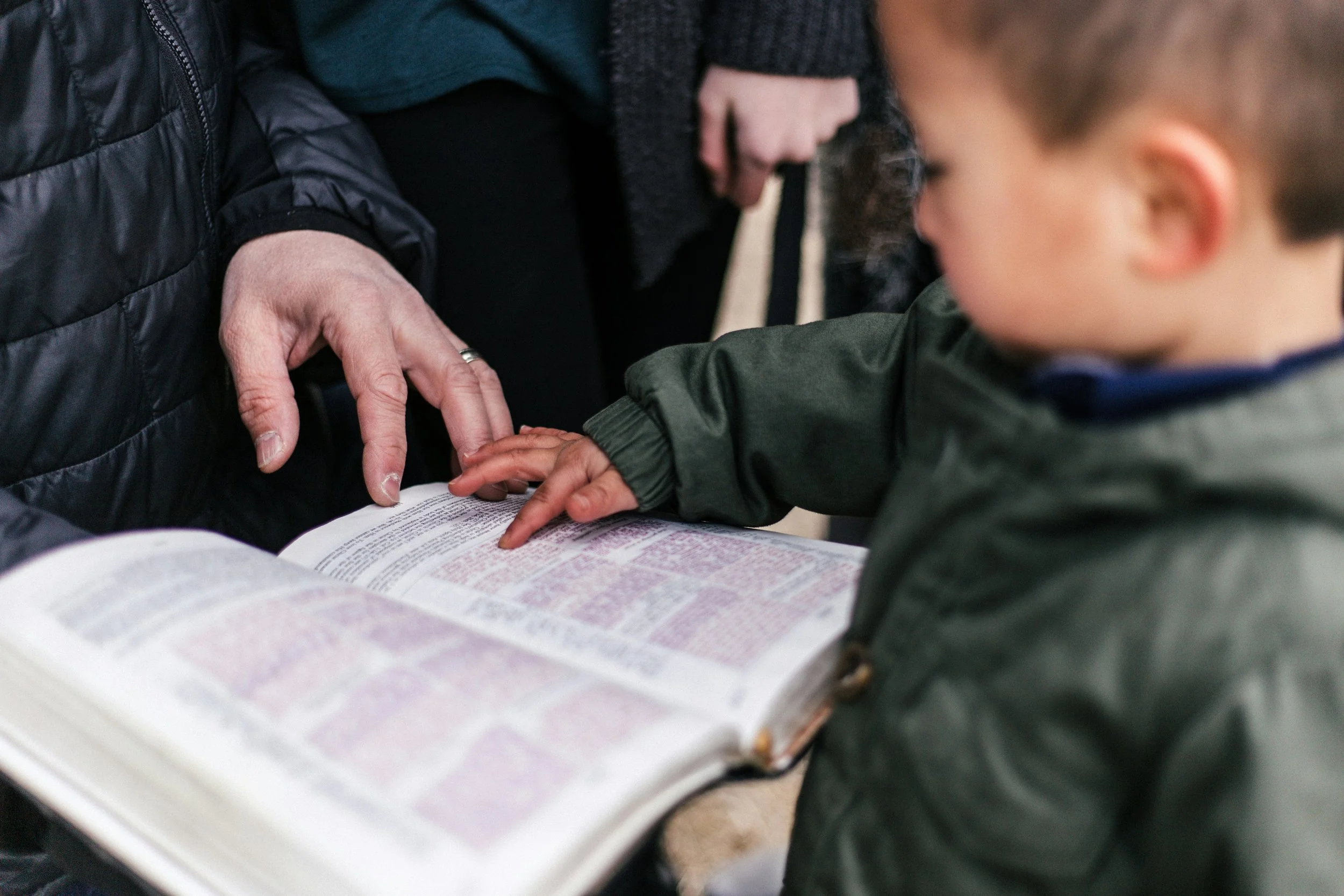
Genesis 25:19–23 (NASB95)
19Now these are the records of the generations of Isaac, Abraham’s son: Abraham became the father of Isaac; 20and Isaac was forty years old when he took Rebekah, the daughter of Bethuel the Aramean of Paddan-aram, the sister of Laban the Aramean, to be his wife. 21Isaac prayed to the Lord on behalf of his wife, because she was barren; and the Lord answered him and Rebekah his wife conceived. 22But the children struggled together within her; and she said, “If it is so, why then am I this way?” So she went to inquire of the Lord. 23The Lord said to her, “Two nations are in your womb; And two peoples will be separated from your body; And one people shall be stronger than the other; And the older shall serve the younger.”
Isaac’s story continues the covenant line begun with Abraham. He marries Rebekah, a woman from his own extended family, keeping the promise alive through the right lineage. For twenty years, Rebekah cannot have children. Isaac turns to God in persistent prayer, and God answers. Rebekah conceives, but her pregnancy is difficult. The twins inside her struggle so much that she seeks God for understanding. God responds with a prophecy: two nations are within her, and the older will serve the younger. This word from God sets the stage for the future of Jacob and Esau, and for the ongoing story of Israel and Edom.
God’s choice to favor the younger son over the older breaks with human tradition. God’s purposes are not limited by social customs or expectations. The struggle in Rebekah’s womb points to the conflict that will mark the lives of her sons and their descendants. Yet, God’s plan moves forward through prayer, faith, and even human weakness. Isaac’s intercession and Rebekah’s inquiry show the importance of seeking God’s will in times of uncertainty. God responds to those who earnestly seek Him.
We also begin to notice a recurring theme – bareness. Sarah remained childless for many years. Rebekah was unable to conceive. Racheal, in the upcoming chapters, will face her own struggles with conceiving a son for Jacob. Why does this pattern keep repeating? What lesson can we take from it? For all these women, who was the one who changed the situation? It was God Himself. I believe the message the Torah wants to share is that the line of patriarchs was divinely established by God, making the continuation of the covenant through the generations incontestable.
The church today can learn from Isaac and Rebekah. God’s promises often unfold in ways we do not expect. Persistent prayer matters. God listens and responds to those who seek Him. The church must trust God’s sovereignty, even when circumstances seem impossible.